
邮箱: 2408623367@qq.com
电话: +86 13512908623
地址: Baixin Industrial Park, Ninghe District, Tianjin

1. Core definitions and general benchmark standards
Actuator switching duration: The total action time from receiving the control signal to the valve being fully opened/closed, including the entire process of actuator response and valve travel action. Industry general benchmark: Conventional civilian and general industrial conditions: 1–5s; emergency shutdown (ESD) conditions are mandatory high standards, with priority given to high-risk scenarios at 0.3–1s; for high-viscosity and impact-prone media, the opening and closing pace should be slowed down to avoid process risks. At the same time, comply with JB/T 8862—2014 "Valve Electric Actuator Life Test Procedure" to ensure the stability and time-effect accuracy of the actuator's opening and closing actions are compliant.
II. Switching time efficiency requirements and standards corresponding to different fluids
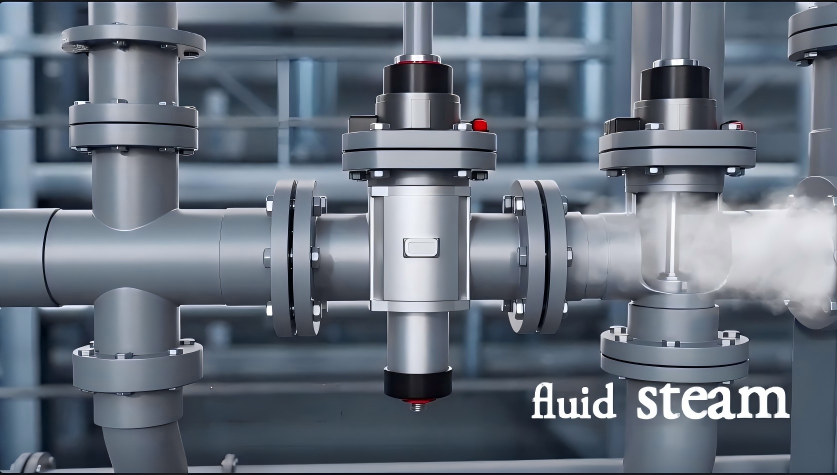
1. Gaseous fluids (air, nitrogen, natural gas, process combustible gases)
Medium characteristics: extremely low viscosity, fast flow rate, no risk of liquid hammer, extremely high risk of flammable gas leakage, stringent requirements for cut-off timeliness。
Standard timeliness requirements
• Conventional ventilation and pressure-stabilizing gas pipeline: Switching duration of 10–30s, balancing response speed and equipment wear, suitable for daily start-stop conditions.
• Combustible gas, fuel gas transmission, and chemical gas pipelines (under normal emergency conditions): The full-off cutoff duration is ≤1s, quickly blocking gas diffusion.
• High-risk flammable and explosive gases, gas conditions in enclosed spaces: ESD emergency shut-off within 0.3–0.5s, setting the industry's highest response time standard to eliminate risks of explosion and poisoning.
Adaptation requirements: Prioritize the use of fast-response electric/pneumatic actuators paired with quick-release solenoid valves. Low-speed actuators are prohibited for use in gas emergency shutoff scenarios to ensure instantaneous flow cutoff.
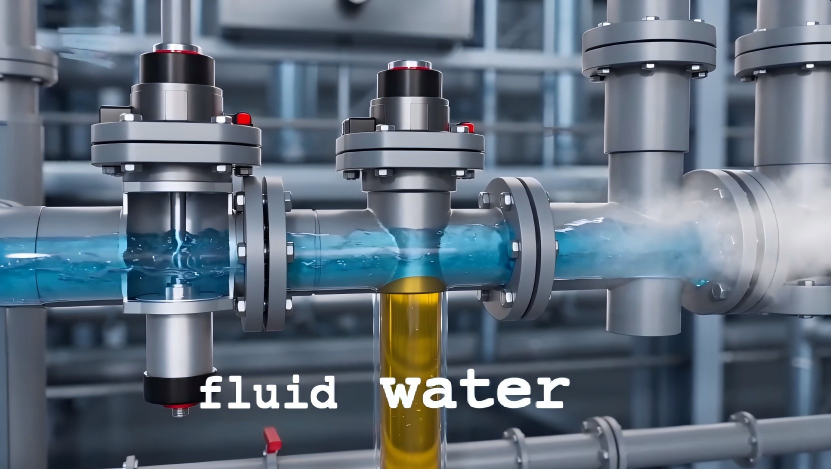
2. Clear/clean water fluid (municipal water supply, circulating water, pure water)
Medium characteristics: low viscosity, stable flow rate, with the greatest risk being water hammer impact. Switching too quickly can easily cause pipeline bursting, damage to valves, and pressure gauge components.
Standard timeliness requirements
• Municipal water supply and conventional water circulation system: The opening and closing duration is 3–5 seconds, with slow opening and closing to completely avoid the water hammer effect.
• High-pressure water conveyance and long-distance pipelines: The opening and closing duration should be ≥5s. For some high-pressure conditions, it is necessary to perform slow opening and closing in stages, gradually releasing and stabilizing pressure.
• Fire emergency water supply (special operating conditions): full-open response time ≤2s, balancing emergency speed and pipeline safety.
Adaptation requirements: Instantaneous rapid opening and closing are prohibited. The actuator must be equipped with throttling buffering and delayed opening and closing functions, which are core configurations for water system pipeline protection.
3. Oil-based fluids (diesel fuel, engine oil, hydraulic oil, heat transfer oil)
Medium characteristics: The viscosity is higher than that of water, with relatively weak fluidity. At low temperatures, the viscosity increases significantly, resulting in high resistance to valve opening and closing. Rapid opening and closing can easily cause throttling blockage and pressure surge.
Standard timeliness requirements
• Light diesel oil and low viscosity oil products: switching duration of 2–4s, balancing response speed and medium flow stability.
• For high-viscosity engine oil, heat transfer oil, and low-temperature oil products: The switching duration is 4–8s, with sufficient buffer time reserved for medium circulation to avoid pressure buildup and valve plate sticking.
• Emergency oil shut-off condition: Controlled rapid opening and closing, with duration controlled within 1-2 seconds. Rapid impact opening and closing is strictly prohibited.
Adaptation requirements: Select a high-torque actuator, adapt to medium resistance, adjust the opening and closing speed, reserve a time-effect margin for low-temperature conditions, and ensure smooth operation.
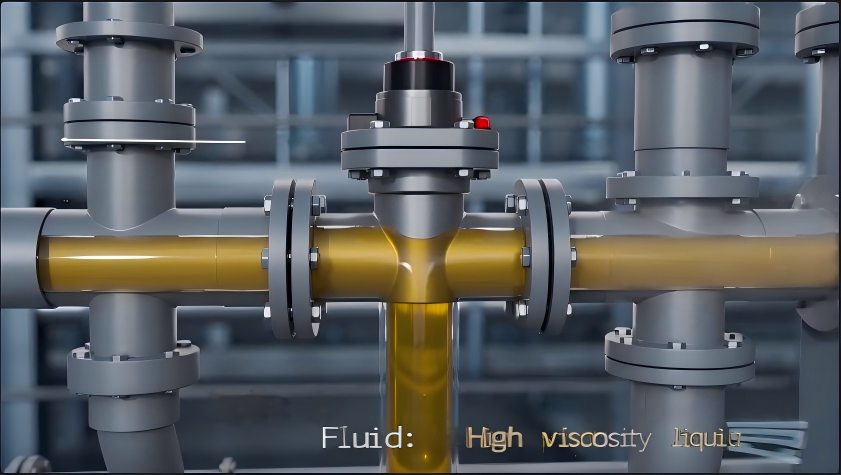
4. Highly viscous fluids (syrups, slurries, colloids, viscous chemical slurries)
Medium characteristics: extremely high viscosity, poor fluidity, prone to wall deposition, rapid opening and closing can lead to medium extrusion and accumulation, valve seal damage, and pipeline blockage.
Standard timeliness requirements
• Conventional viscous medium conveying (such as oil slurry, mud slurry): Slower switching (typically 5–60 seconds) is required to avoid water hammer, overload, or seal damage. This is common in the petrochemical and chemical industries. ASME B16.34 / ISO 5208 requires the valve to operate smoothly to reduce medium disturbance and accumulation, but does not specify a specific number of seconds. It is determined by matching the system pressure difference with the actuator selection.
• For slurry containing particles and media prone to sedimentation: The minimum opening and closing duration should be ≥5s. Rapid start-stop is prohibited to prevent particles from getting stuck in the valve seat and scratching the sealing surface.
Adaptation requirements: It is necessary to use adjustable-speed intelligent actuators, and high-speed actuators are strictly prohibited. This ensures smooth valve travel throughout the entire process and protects the pipeline and valve body structure.
5. Highly hazardous corrosive/toxic fluids (acid and alkali liquids, chemical toxic media, hazardous chemical liquids)
Medium characteristics: High corrosivity, toxic and harmful, with great hazards in case of leakage. Prioritize ensuring emergency shut-off speed while avoiding impact leakage.
Standard timeliness requirements
• Conventional process start-stop: The switching duration is 2-3 seconds, balancing process stability and operational efficiency.
• SIS safety system ESD emergency shut-off: ≤0.5–1s, which is a mandatory safety standard, quickly blocks the leakage of hazardous chemicals to avoid safety accidents.
Adaptation requirements: The use of explosion-proof, corrosion-resistant intelligent fast actuators with high action accuracy and no response delay is required to meet the stringent safety specifications.
III. General taboos and industry execution guidelines
• Gases and hazardous chemical media: Act quickly rather than slowly. Under emergency conditions, high-speed shutoff must be ensured to meet standards and eliminate potential safety hazards.
• Water and viscous media: It's better to be slow than fast. Prioritize the prevention and control of water hammer, pressure buildup, and pipeline damage issues.
• It is prohibited to arbitrarily change the default speed of the actuator under all operating conditions. The corresponding opening and closing duration must be matched according to the characteristics of the medium, pipe diameter, and pressure.
• For high-frequency opening and closing conditions, it is necessary to select wear-resistant actuators, and simultaneously adapt corresponding low-speed buffer parameters to extend the service life of the equipment.
IV. Summary Table of Timing Standards
|
Fluid type |
Regular start-stop duration |
Emergency shut-off duration |
Core control objectives |
|
Combustible/ordinary gas |
10–30s |
0.3–1s |
Rapid leakage prevention, explosion prevention, and diffusion prevention |
|
Clear water/circulating water |
3–5s |
≥3s (no extreme speed) |
Prevent water hammer and protect pipeline equipment |
|
Oil medium |
2–8s (increasing with viscosity) |
1-2s (controllable and fast) |
Prevent pressure buildup, blockage, and throttling shock |
|
High viscosity/slurry |
5–60s |
≥5s |
Avoid medium accumulation and seal damage |
|
Toxic/corrosive hazardous chemical medium |
2–3s |
≤0.5–1s |
Safely block and avoid the risks of poisoning and corrosion |